Objects as History Week 1- 07/01/20
Our first class, the first subject to discuss was if we liked history. Honestly, i have never been much into history, it makes me yawn. But today i didn’t because it was more like a story i had to listen to instead of a thick boring book we had in school.
Next, the question to us was what history was for us. History, to me is a record of series of events of the past like today will become int he future. History is to be known by all so that we learn from it, the mistakes the likely humans made in the past and act better in the present to save the future.
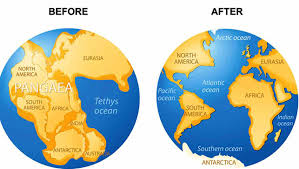
Then came the Big Bang Theory which refers to concept of the birth of the universe, the very beginning when existence came into existence. Then we moved the discussion further to PANGEA, where ‘pan’ means ‘all’ and ‘gea’ means ‘geography’. Earth didn’t have seven continents, but instead one massive supercontinent called Pangaea, then the continents broke apart from the single landmass and moved to their present positions. Quite magical right? it is what universe is made of.
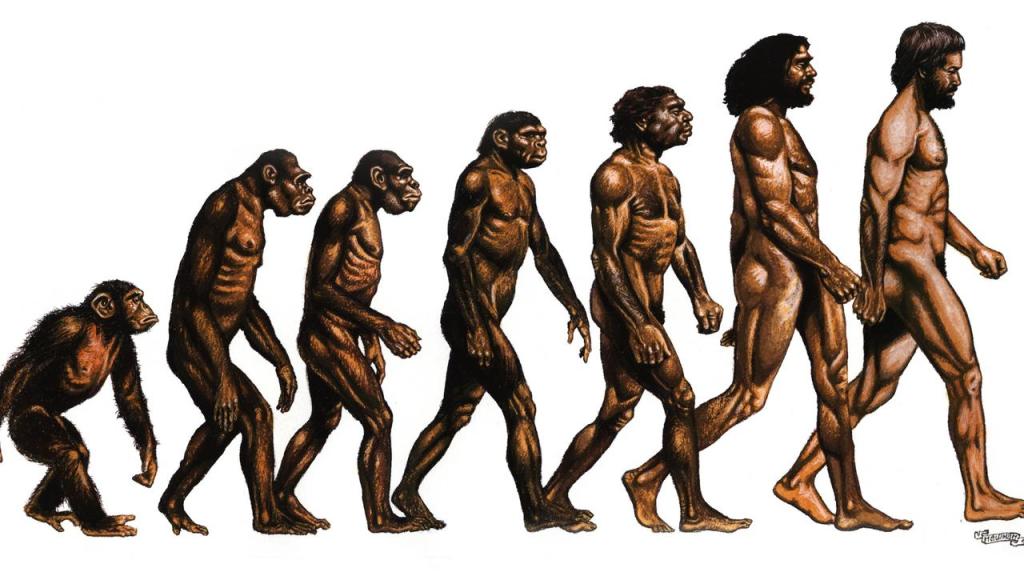
And then, EVOLUTION. The transformation of various types of plants, animals, and other living things on Earth have their origin in other preexisting types and that the distinguishable differences are due to modifications in successive generations like apes into homo-sapiens by time and several more.
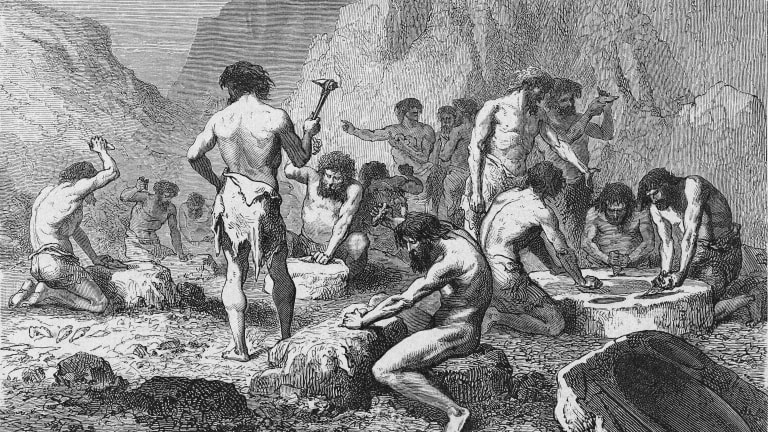
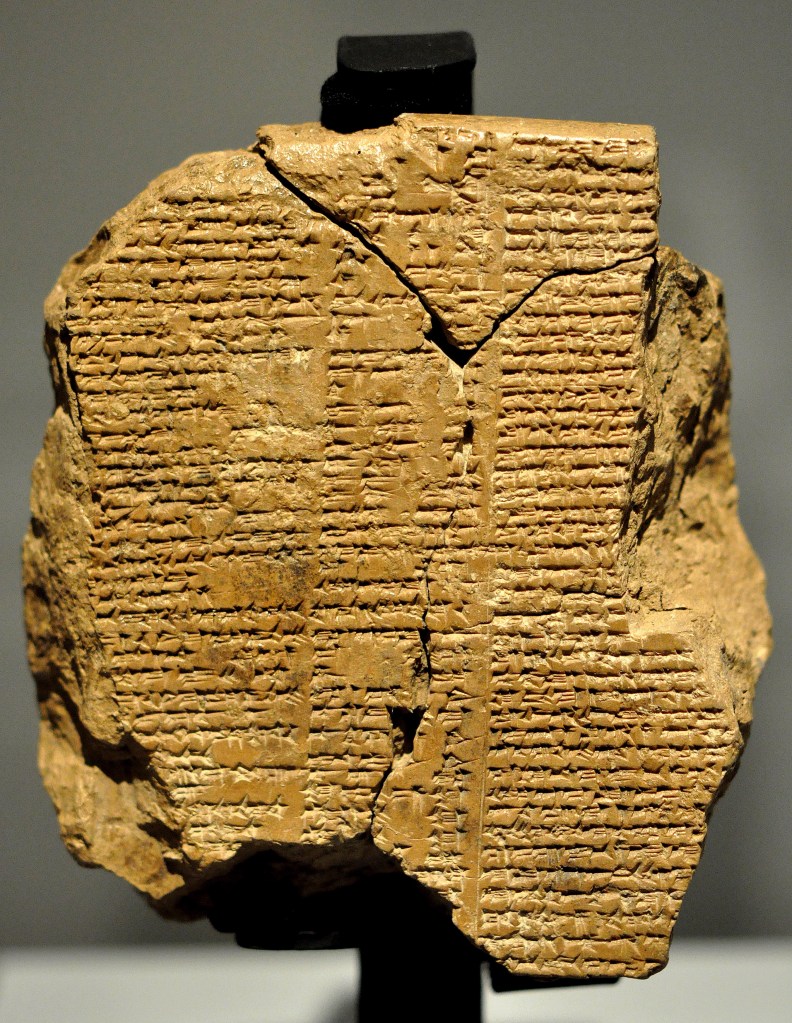
Then came the Neolithic Age (Around 10000 BC) when learning how to farm bought a major turn. There was, Çatalhöyük, which was a proto-city settlement. Then came the first city ever built on earth, Uruk, which comprises of the ‘Epic of Gilgamesh’.
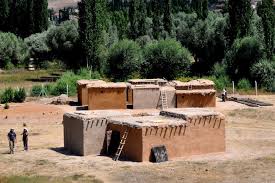
Then we learned about the concept of house structures with no evidence of city planning of the early times that was used in Jericho and Çatalhöyük. The houses was built from mud-bricks and the entrance was placed on the top instead of the sides in order for their security from the others and climate threats. There was no gap between the houses. The concept of stratification came to use which meant construction of houses on top of the existing houses for them to be stronger over the years.
We also learned how the society worked on the structure of Haves, Have-nots and the Help the Haves, where the Kings and the royals were the haves, the priests and the nobles were ‘help the haves’ and then the commoners, the workers were the have-nots.
And a lot more was discussed, some of which i can’t even remember because we don’t have to mug up here. It was quite interesting than what i expected.

 Shreya's Blog