Objects as History Week 2 – 14/01/20
Chalcolithic age. That was the time after 1857’s revolt in India which was a quiet larger country as it included parts form other countries as well. During this time India was not a united nation, it consisted of multiple kingdoms, cultures, societies and rich resources that posed as an attraction to other countries.
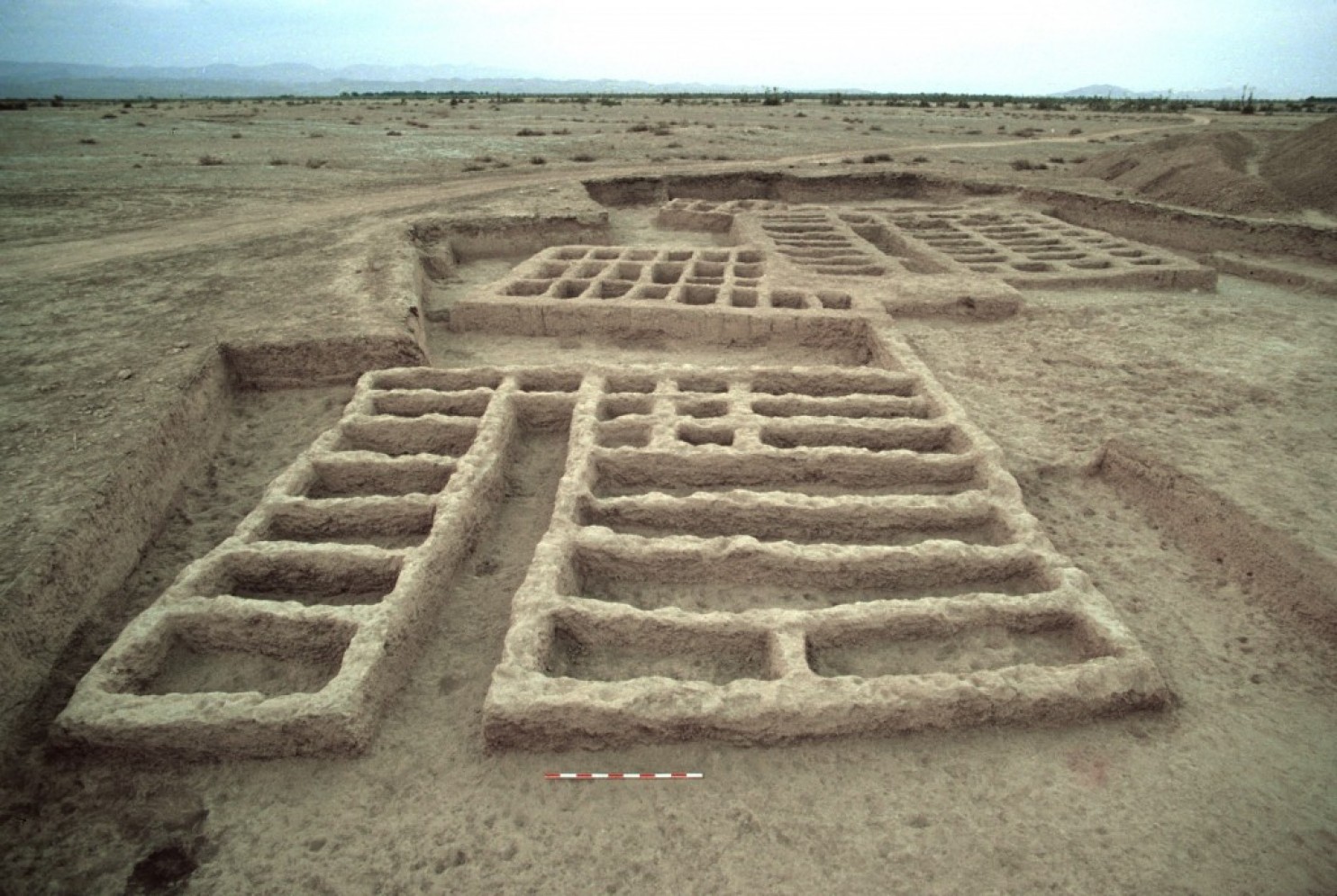
Then we talked about, Harappa & Mohenjodaro, both were Indus valley civilizations. These civilizations were extensively researched and documented for. The first settlement was around 7500 – 10000 BC, named Mehrgarh. This civilization was formed by digging the earth. This was half on the ground and the other half was underground. This way it provided more security.
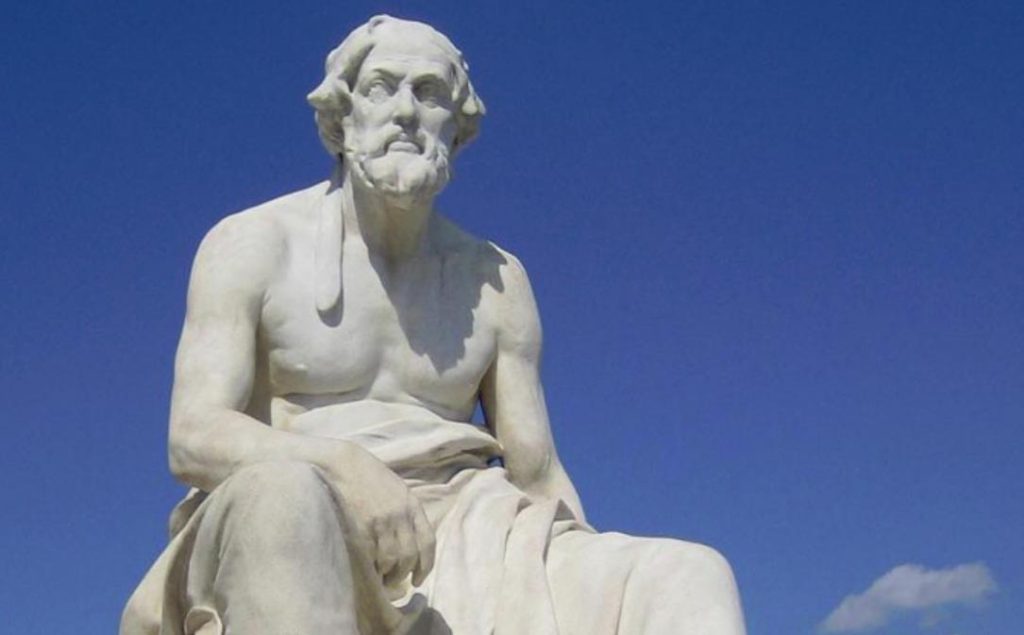
Next discussion was about Xenophon, who was a Greek mercenary and was written about by two great historians, Thucydides and Herodotus. He fought under Cyrus the Younger in Persia. He led an army of 10,000 greek survivors and won battles till the battle of Cunaxa. In this battle cyrus had been killed and the army was left alone. Xenophon took the word to move out in the outland. And after getting out he wrote a book- ANABASIS. A thousand years later Alexander the great used this book as a field guide because he was tired of Persia’s interference.
Then we talked about Thucydides who was a greek historian and wrote about The History of the Peloponnesian War which details the war between Sparta and Athens in the 5th Century. Then the discussion went around Alcibiades who was a statesman. During the course of the Peloponnesian War, Alcibiades changed his political allegiance several times. First, he supported Athens then switched to Sparta. He made many prominent enemies and had to flea to Thesaly. In the war he was killed as. The other side was furious and the Sparta won in the end.
Circling back to india, we talked about the Malwa and jorwe culture. The Jorwe culture, a Deccan Chalcolithic culture from 1000 to 1400 BC. The malwa culture consisted of a balanced life with hunting and Bastal art. The people cultivated wheat, barley, legumes, and later rice, and domesticated cattle, sheep, goats, and pigs the city planning was poor. Objects made from sea shells found that indicate trade with coastal communities.
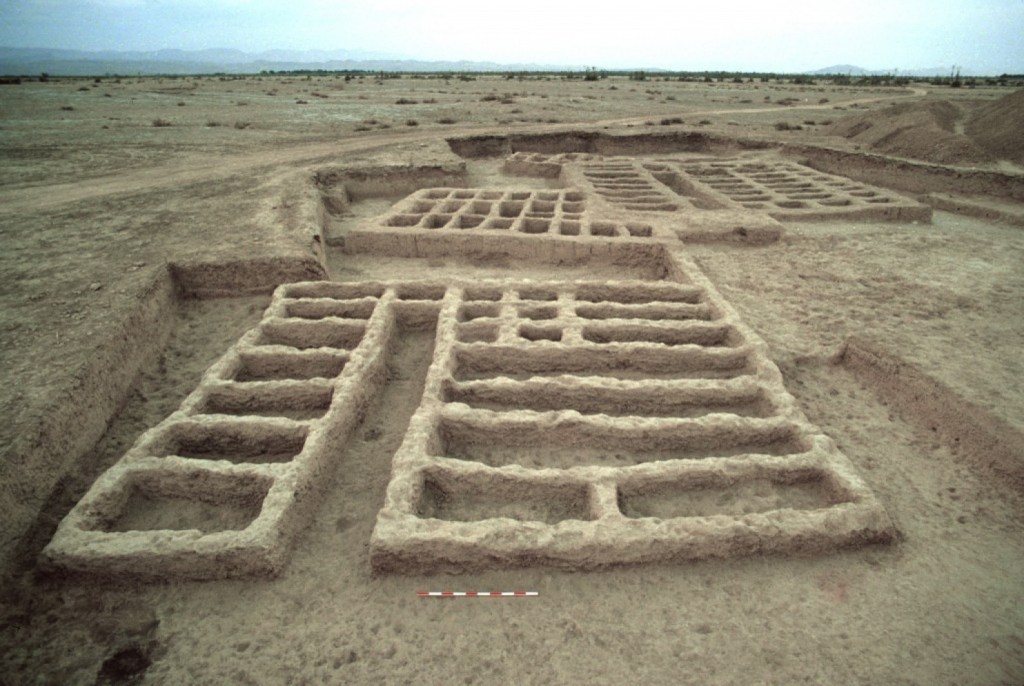
Then we talked about Diamabad, where a number of structural remains of this phase have been identified which shows that somebody was involved in building it. The city planning was not random. Remain of pottery and pot shards occurred in this phase. People in Kolkata traded in gold and ivory during this period. Trade goes back to Harappan civilization. Costal trade in India was of fish and hematide. The most shocking fact that we learned was that people during this time used to chop off legs before burying the dead so that they cannot follow in the ‘afterlife’.

 Shreya's Blog